
Gaming has transformed dramatically over the past decades. What started as simple dots on a screen has grown into a global cultural phenomenon, shaping technology, society, and even the way we connect with each other. Understanding how gaming has evolved thehaketech gives insight into the tech, innovations, and trends that have changed the world.
The Early Days: Pixels, Arcades, and Mainframes

The first experiments with video games began in the 1950s and 60s. Researchers developed simple programs like:
- Tennis for Two (1958) – a basic two-player game on an oscilloscope.
- Spacewar! (1962) – a mainframe game that introduced interactive gameplay on early computers.
These early games weren’t commercially available but demonstrated that computers could entertain and respond in real-time.
In the 1970s, arcades emerged with classic games like Pong and Space Invaders. They proved that gaming could be both fun and technically challenging, pushing hardware for smoother visuals, responsive buttons, and real-time interaction.
Home Consoles and Console Wars
The 1980s and 90s saw gaming move into homes:
- Nintendo Entertainment System (NES) and Sega Genesis became household names.
- Iconic franchises like Super Mario, The Legend of Zelda, and Sonic the Hedgehog combined story, gameplay, and progression.
- Technical advances: 8-bit → 16-bit graphics, improved sound, and memory storage innovations.
This era marked the beginning of story-driven gaming, save points, and longer, more immersive experiences.
The Rise of 3D Graphics and CD-ROMs
The mid-to-late 90s introduced 3D graphics and CD-ROM technology, revolutionizing gameplay:
- Games like Final Fantasy VII, Metal Gear Solid, and Resident Evil offered cinematic storytelling, voice acting, and orchestral soundtracks.
- Super Mario 64 and The Legend of Zelda: Ocarina of Time showcased fully explorable 3D worlds.
- Game engines improved physics, AI, and real-time decision-making.
These innovations set the stage for complex worlds, more interactive experiences, and the professionalization of game development.
Online Gaming and Multiplayer Communities
The 2000s brought widespread internet access, connecting players globally:
- World of Warcraft, Counter-Strike, and Battlefield created massive online communities.
- Consoles like Xbox and PlayStation launched online networks (Xbox Live, PlayStation Network) for multiplayer, downloads, and chatting with friends.
- Online gaming also gave rise to MMORPGs, battle royales, and the competitive esports industry.
Streaming platforms such as Twitch and YouTube Gaming allowed players to become performers, while esports tournaments offered global audiences and professional careers.
Mobile Gaming and Accessibility
Smartphones changed who could play:
- Games like Angry Birds, Candy Crush, and Clash of Clans reached casual audiences worldwide.
- Mobile gaming introduced freemium models with in-app purchases, reshaping monetization.
- Developers optimized games for touch controls, battery efficiency, and cloud saves.
Mobile gaming didn’t just create new players—it also influenced hardware design, energy-efficient chips, and app development practices.
Virtual Reality (VR) and Augmented Reality (AR)
Immersive technology took gaming to the next level:
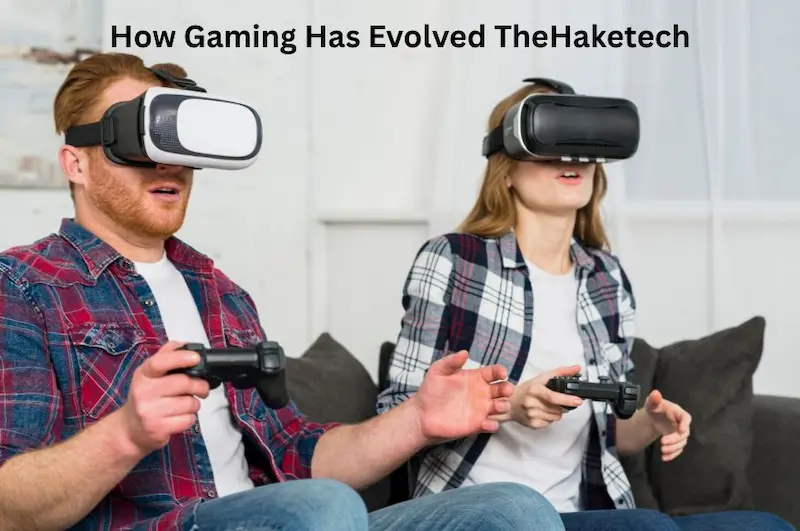
- VR systems: Oculus Rift, PlayStation VR, Meta Quest – offered fully immersive experiences.
- AR games: Pokémon GO overlaid digital objects onto real-world surroundings.
- Motion tracking, spatial sound, and fast graphics enabled realistic interaction.
These technologies now extend beyond gaming, helping education, healthcare, and training simulations.
Artificial Intelligence in Gaming
AI has transformed gameplay:
- NPCs react dynamically, adjusting difficulty based on player behavior.
- Worlds evolve with choices, creating unique experiences.
- AI manages matchmaking, cheat detection, and content generation.
Gaming AI innovations also influence recommendation systems, smart apps, and automation tools in broader tech.
Cloud Gaming and Streaming
Cloud gaming changed how we access games:
- Services like NVIDIA GeForce Now, Xbox Cloud Gaming, and PlayStation Now allow streaming without powerful local hardware.
- Players can access high-end games on phones, tablets, or low-spec PCs.
- Cloud infrastructure improvements (low latency, streaming optimization) also benefit video conferencing and remote work technologies.
Social Gaming, Esports, and Global Communities
Modern gaming is as social as it is entertaining:
- Platforms like Discord enable voice and text communication for players worldwide.
- Esports events draw massive audiences, rivaling traditional sports.
- Online collaborations foster friendships and cultural exchange, even without physical interaction.
Gaming communities have become powerful tools for fundraising, cultural expression, and social bonding.
Business Models: From Cartridges to Live Services
Gaming economics have evolved dramatically:
- Physical cartridges → downloads → subscriptions → microtransactions → battle passes.
- Games update continuously with new content, keeping players engaged for years.
- Indie developers thrive alongside big publishers, using platforms like Steam, Itch.io, and crowdfunding platforms like Kickstarter.
Gaming’s business innovations influence digital industries beyond gaming, including music, movies, and software services.
Cultural Impact: Storytelling, Art, and Inclusion
Games now shape culture:
- Developers collaborate with composers, storytellers, and visual artists to create immersive narratives.
- Games explore identity, trauma, and ethical choices (e.g., The Last of Us Part II, Life is Strange, Celeste).
- Accessibility features—custom controls, subtitles, visual cues—ensure more inclusive experiences.
Gaming is not only entertainment; it’s a medium for artistic expression, storytelling, and social reflection.
The Future of Gaming
Emerging trends promise even more evolution:
- Metaverse: Persistent shared virtual spaces for work, play, and socializing.
- Neural Interfaces: Direct brain-to-computer interaction.
- AI-generated worlds: Dynamic content and adaptive storytelling.
- Sustainable development: Eco-conscious game design and reduced energy consumption.
- Blockchain & NFTs: New ownership and monetization models.
Gaming will continue to influence technology, society, and culture, shaping the digital world for decades to come.
Conclusion
From early pixels to immersive VR worlds, how gaming has evolved thehaketech is a story of innovation, creativity, and social transformation. Games have pushed hardware, software, cloud technology, AI, and social platforms forward while shaping culture and global communities. Gaming is no longer just play—it’s a driving force for the future of technology and society.
Recommended for you:
How to Keep Up with Gaming News TheHaketech
FAQs About How Gaming Has Evolved TheHaketech
1. What does “how gaming has evolved thehaketech” mean?
It refers to the journey of video games from simple early experiments to modern, immersive experiences and how they have influenced technology, culture, and society.
2. How has gaming influenced technology?
Gaming has driven advancements in hardware (CPUs, GPUs), software (game engines, AI), mobile devices, cloud computing, and VR/AR technologies. Many tools developed for gaming are now used in other industries.
3. What role do esports and online communities play in gaming evolution?
Esports and online communities connect players globally, create professional opportunities, and push improvements in streaming, networking, and social platforms.
4. How has mobile gaming changed the industry?
Mobile gaming brought games to a wider audience, introduced the freemium model, and influenced smartphone technology, app design, and accessibility.
5. What is the future of gaming according to TheHaketech trends?
Future trends include the metaverse, AI-generated game worlds, cloud gaming, VR/AR innovations, neural interfaces, blockchain-based ownership, and more inclusive gaming experiences.